

Hajj 2025: Saudi Arabia turns to AI-powered rainmaking for cooler pilgrimage
This year marks final summer Hajj before seasonal shift begins in 2026
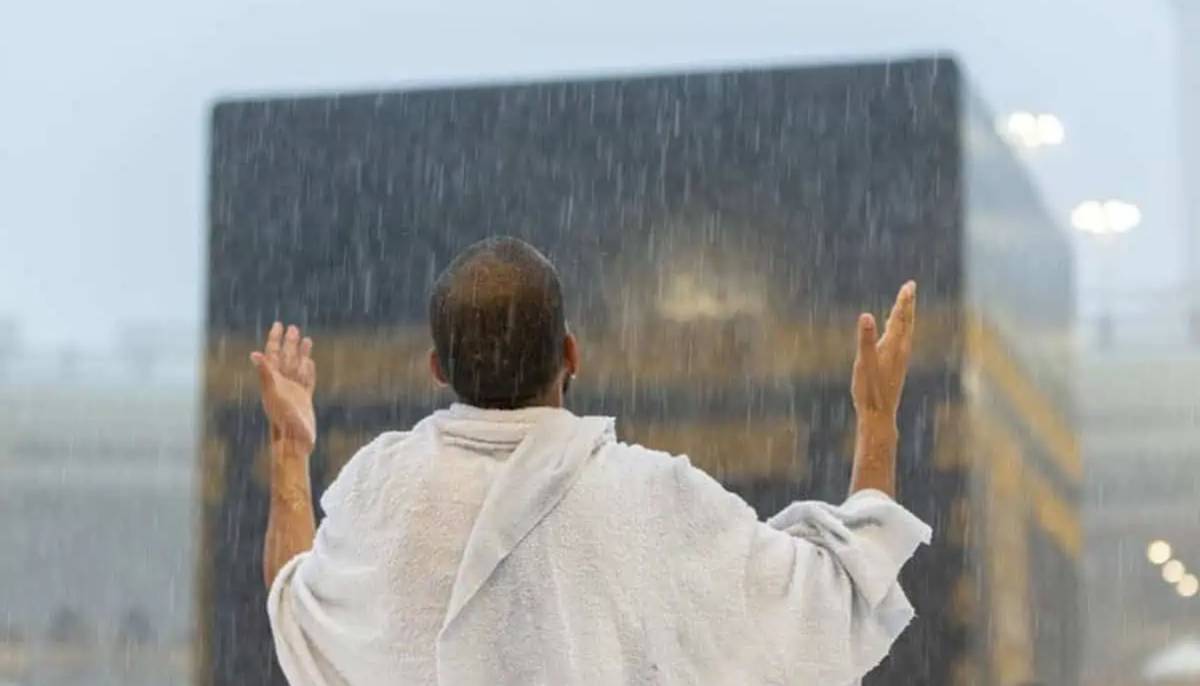
DUBAI: Saudi Arabia is exploring cutting-edge technology to help cool soaring temperatures during Hajj 2025, the last summer pilgrimage before the season shifts to cooler months for over a decade.
A government-run cloud seeding programme has reported encouraging results from field studies conducted in Taif, part of the Makkah region, aimed at boosting cloud formation and rainfall potential around the holy sites.
At a workshop titled Climate Impact on This Year’s Hajj, held in Jeddah and organised by the National Centre of Meteorology, experts highlighted the use of artificial intelligence in guiding rainmaking operations. The initiative marks a significant step forward in the Kingdom’s climate adaptation efforts, addressing desertification and chronic water scarcity.
According to Gulf News, Ayman Al Bar, the programme’s executive, described the research as a “qualitative leap” in harnessing AI to influence weather patterns for humanitarian benefit.
Final summer pilgrimage
The 2025 pilgrimage, scheduled for early June, will be the final Hajj to take place in peak summer for the next 16 years.
Due to the Islamic lunar calendar, future pilgrimages will gradually move into the spring and winter months, offering a naturally cooler climate for pilgrims beginning in 2026.
Umbrellas advised
With temperatures expected to soar, Saudi health authorities have issued a public advisory urging pilgrims to carry umbrellas as a primary shield against extreme heat. The Ministry of Health notes that umbrellas can block up to 92% of the sun’s harmful UV rays and lower surrounding air temperatures by as much as 8°C.
Hydration is also heavily emphasised as a key precaution against heatstroke and dehydration during rituals performed in and around Makkah.